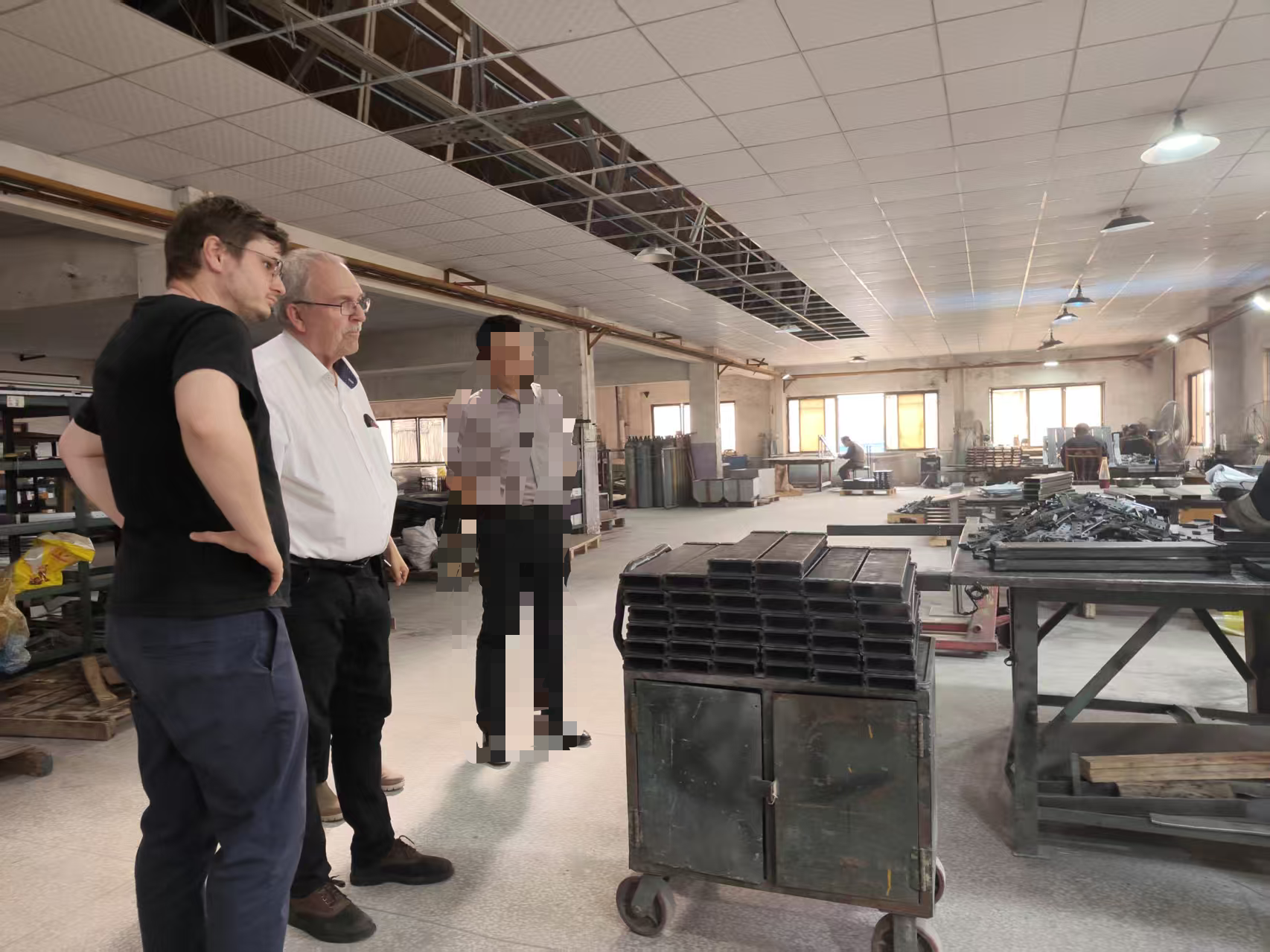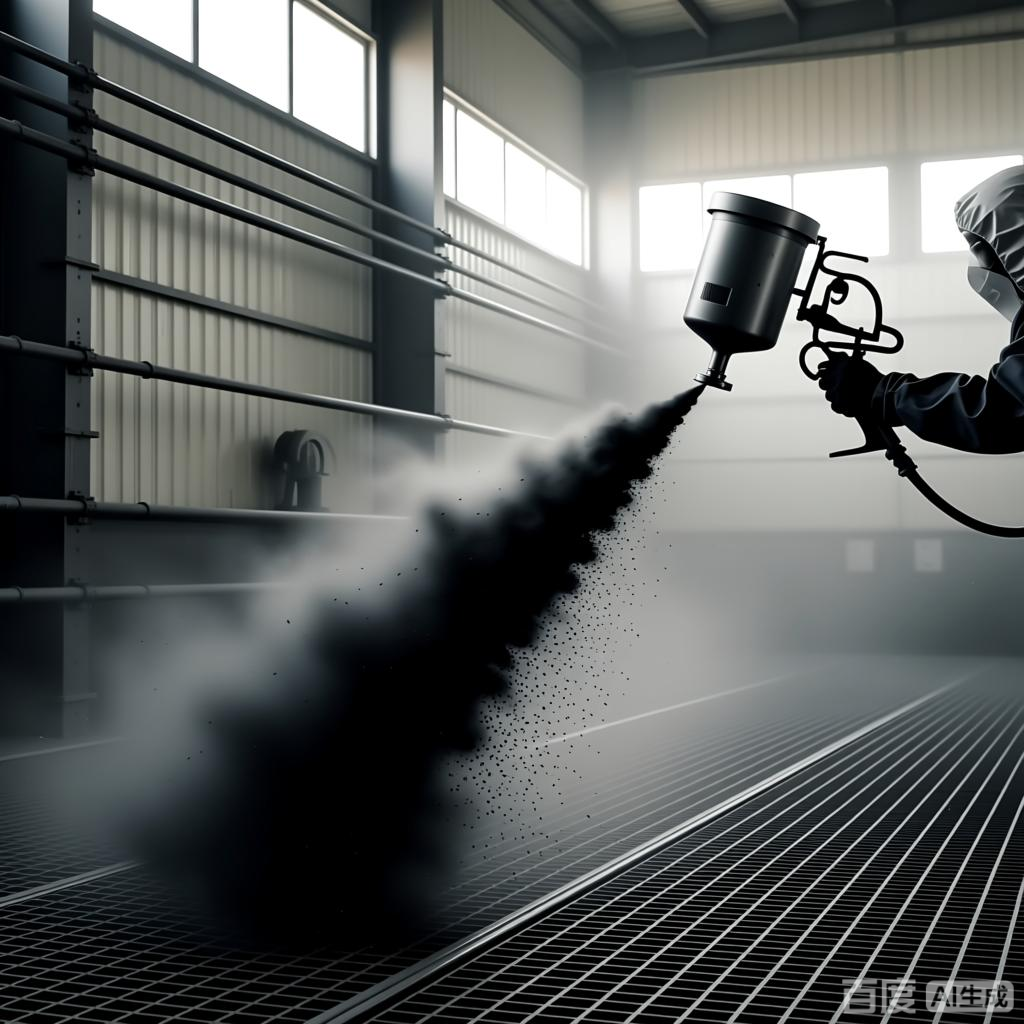
At first glance, the surface of a metal component might seem like a simple aesthetic choice. But in demanding environments—from the salt-laden air of coastal airports to the controlled climates of data centers—this surface is the first line of defense. At AOSENMENTAL, we approach metal finishing not as a final step, but as a critical engineering discipline that defines the longevity and performance of the entire product.
The Critical Role of Coating Thickness
Many assume a thicker coating is always better. The reality is more nuanced. An inadequately thin coating will fail prematurely, leaving the metal vulnerable. However, an excessively thick coating can lead to cracking, poor adhesion, and unnecessary cost. The key is precision and consistency.
Industry standards often provide a wide range, such as 60-100 microns for a typical polyester powder coat. While many manufacturers aim for the minimum to save cost, AOSENMENTAL adopts a different philosophy. Our quality control mandates that coatings not only fall within the specification but are applied to a precise, optimized target value (e.g., 80-90 microns) across the entire component. This ensures there are no weak points while maintaining flexibility and finish quality.
The AOSENMENTAL Difference: A System, Not Just a Layer
What truly sets our finishing process apart is our systems-engineering approach. We don’t just apply a single layer of paint; we engineer a multi-stage protection system.
- The Foundation: Superior Surface Preparation.
Before any coating is applied, the metal undergoes a rigorous cleaning and preparation process. This often involves a multi-stage chemical pretreatment that creates a microscopic conversion layer on the metal, dramatically enhancing coating adhesion and providing a secondary barrier against corrosion. This unseen step is the non-negotiable foundation of a durable finish. - The Engineered Defense: Multi-Technology Layering.
For projects like the Hong Kong International Airport, a single coating type is insufficient. We design layered systems, such as:- A Corrosion-Inhibitive Primer: An epoxy primer applied to a precise thickness, formulated to chemically passivate the surface and prevent under-film corrosion from spreading.
- A Robust Topcoat: A high-performance polyurethane or fluoropolymer topcoat, applied to a controlled thickness, providing resistance to UV radiation, chemical exposure, and physical abrasion.
- Validation Through Data:
We don’t just trust the process; we verify it with data. Every critical component is checked using advanced ultrasonic coating thickness gauges. This provides a digital record that confirms the thickness is not only within spec but is consistently uniform across every edge, corner, and flat surface—areas where thin spots commonly occur.
Beyond Standard Specifications
While we meet all international standards (such as ISO 12944 for corrosion protection), our commitment goes beyond the certificate. Our expertise lies in tailoring the coating system to the specific environmental stress and the client’s unique operational lifecycle. We ask: Will this component face constant thermal cycling? Is it in a high-abrasion environment? The answers directly influence our choice of chemistry and our application parameters.
For us, a perfect finish is one that remains intact and beautiful for decades, not just one that passes a final inspection. It is the result of precise control, advanced materials science, and a deep understanding of the challenges our clients face. This disciplined approach to what many see as a simple step is what ensures the landmark projects we contribute to truly stand the test of time.